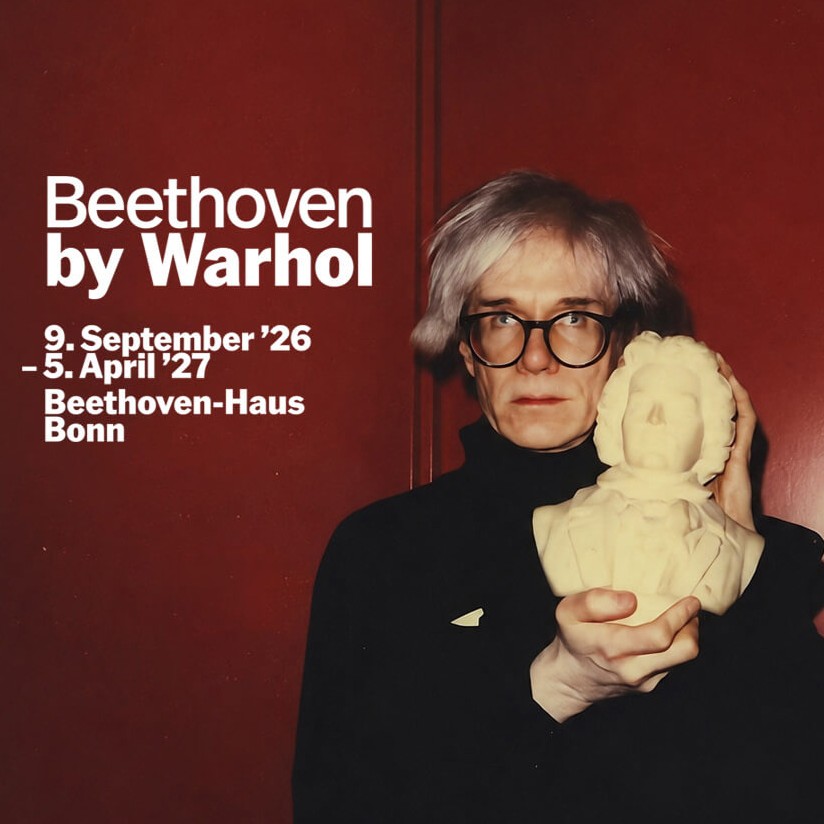
This – long overdue – post is my little ode to the joy of participating in the great exhibition Beethoven by Warhol in Bonn, Germany. Not, as you would expect, in a modern art museum or in an exhibition hall, but in the Beethoven-Haus, the birthplace of famous composer Ludwig van Beethoven.
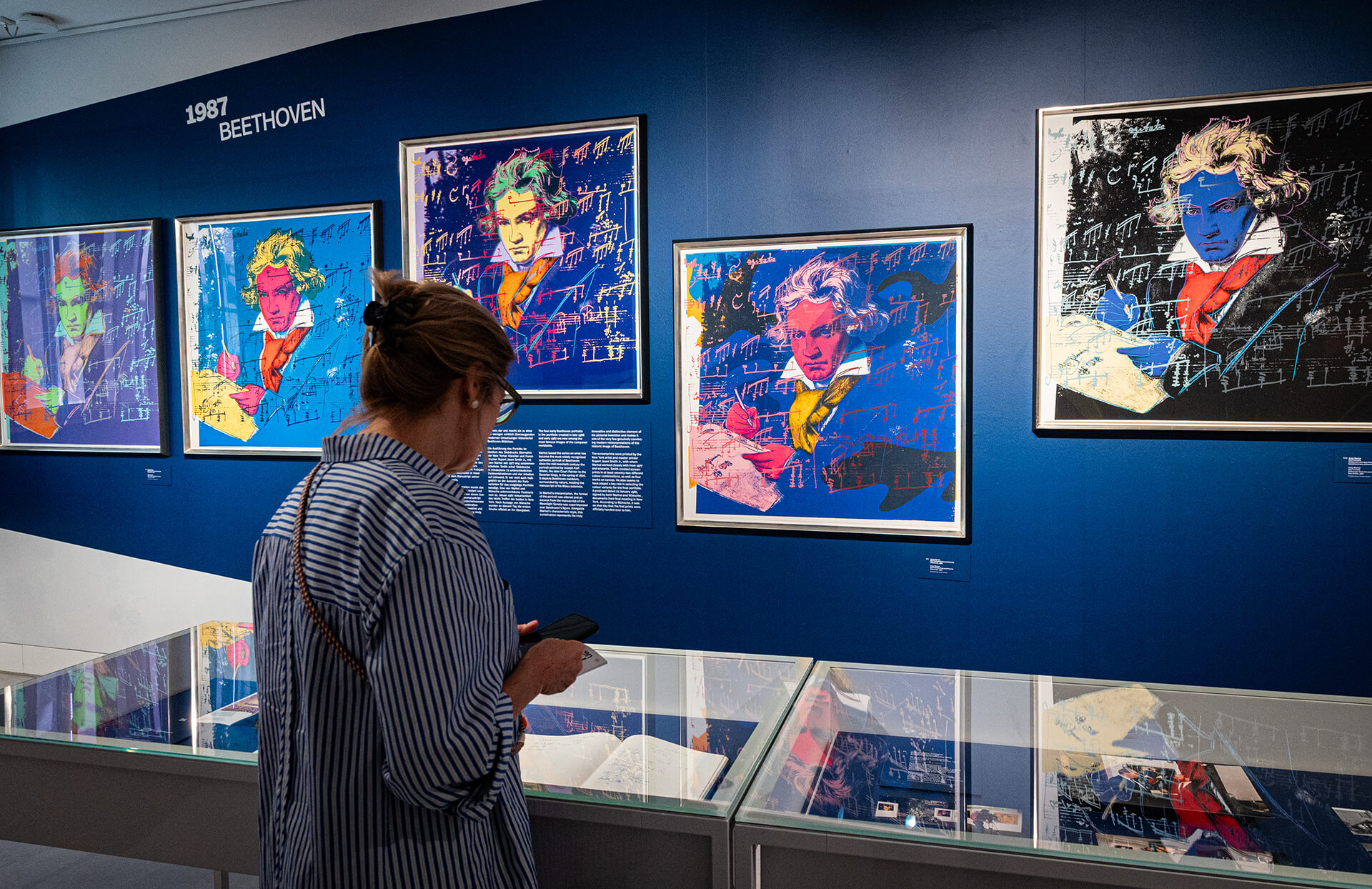
The seed for the exhibition was planted some years ago, when the Beethoven-Haus received a complete series of Warhol’s portfolio Beethoven in permanent loan, which consists of four screen printed portraits of the composer, created in 1987. These portraits are among Warhol’s last work – if not the last work – before his untimely death in February 1987.
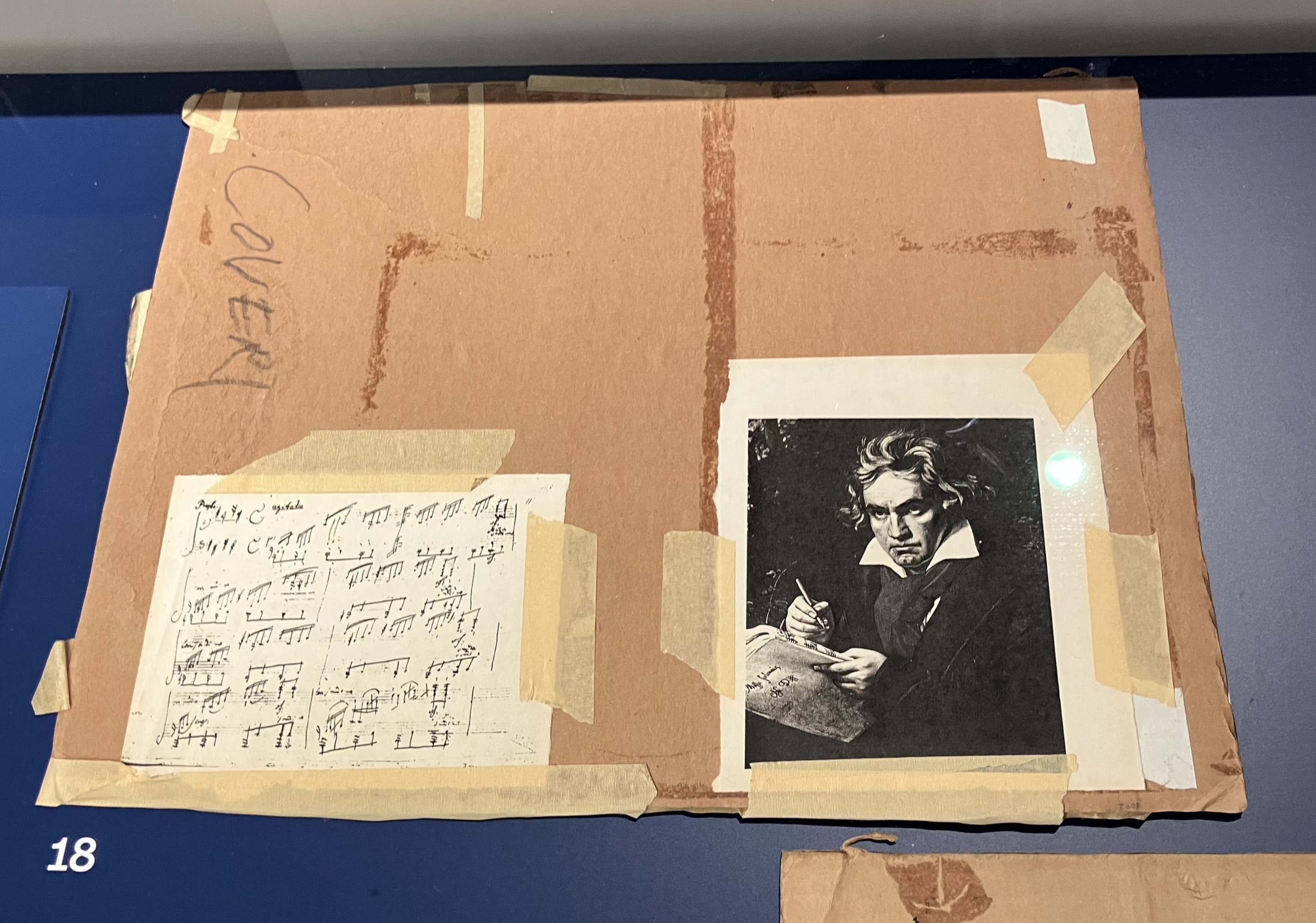
Beethoven-Haus director Malte Boecker was happy to see that Warhol’s source material were images of two important pieces from the Beethoven-Haus collection: the portrait from 1820 – probably the most iconic depiction of Beethoven – by Joseph Karl Stieler, and the music manuscript of the Moonlight Sonata. But wanting to know more about Warhol’s creative process and the history of the portfolio, Boecker noticed that there is practically nothing to be found in Warhol literature. Which prompted the Beethoven-Haus to do its own extensive research, with quite stunning results.
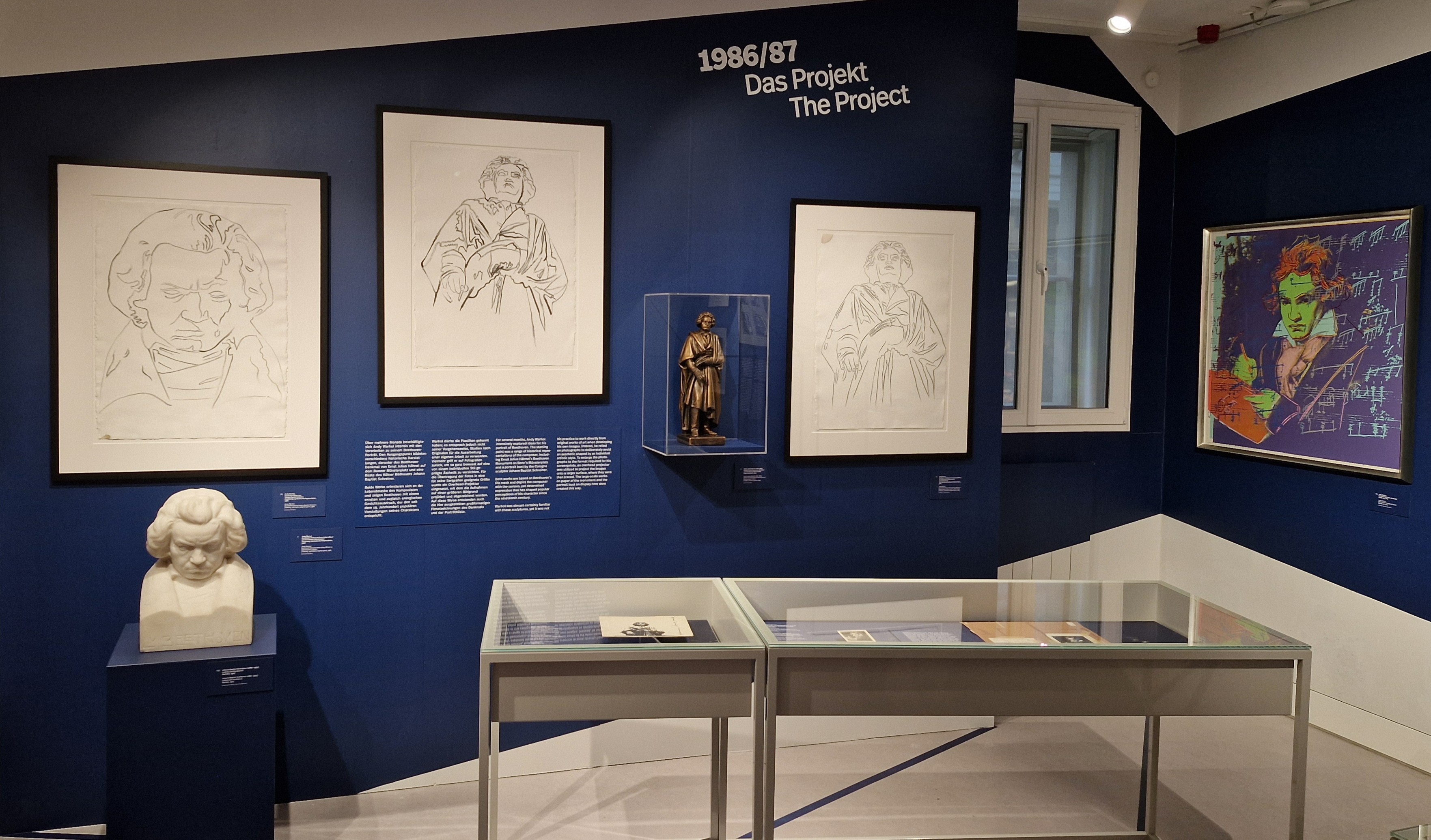
Warhol’s creation of the portraits evidently is the focus of the exhibition, in the special exhibition room. On view are loads of source material; trial proofs in more vivid colours that the final portfolio; large drawings Warhol made of the Beethoven statue on Bonn’s Münsterplatz and a bust, images he was trying before deciding to go with the Stieler portrait; and last but not least an undocumented Beethoven portrait on canvas. The researchers discovered that no less than four Beethoven paintings on canvas exist, although the Warhol Foundation until recently had knowledge of just one.
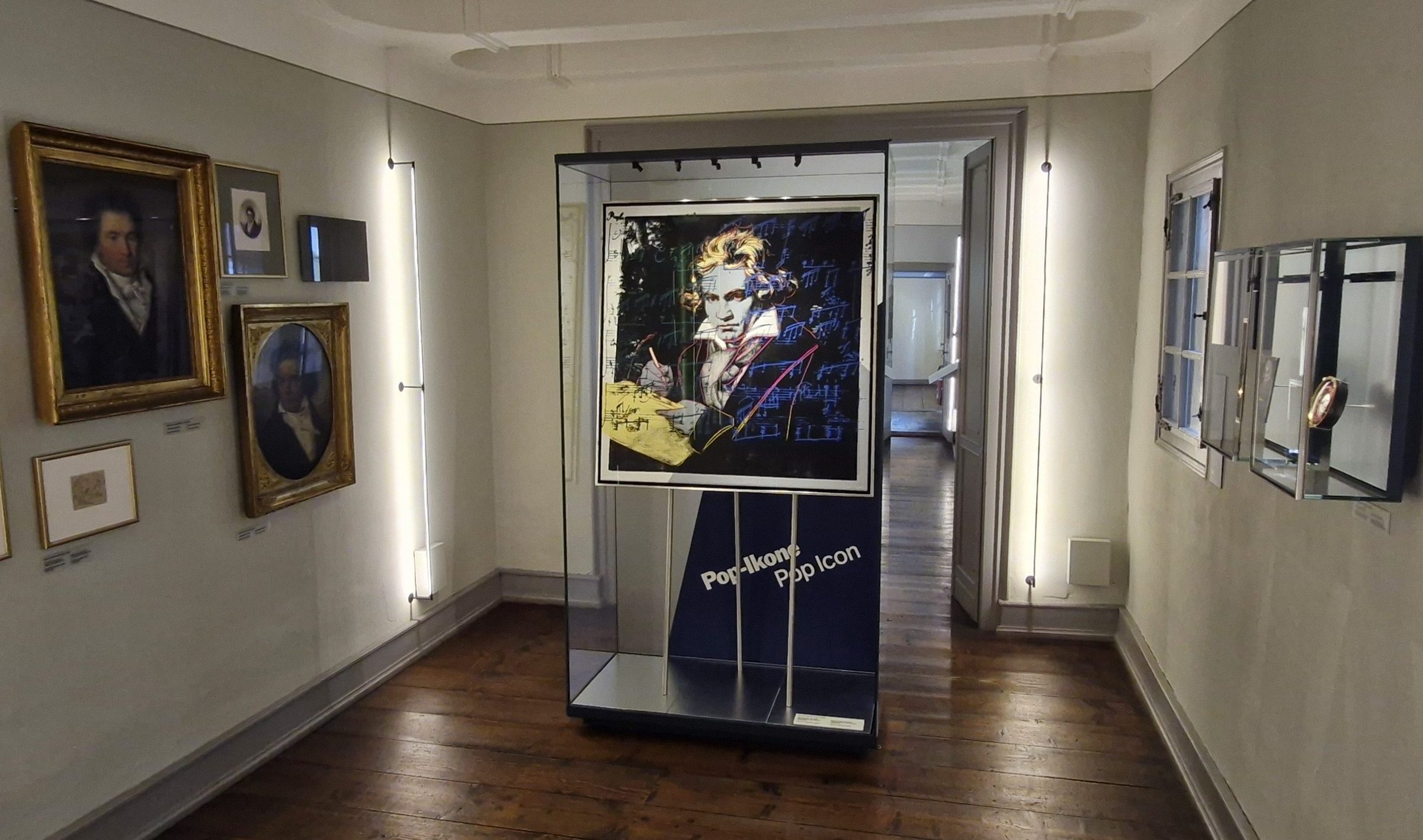
Hi Ludwig, I’m Andy
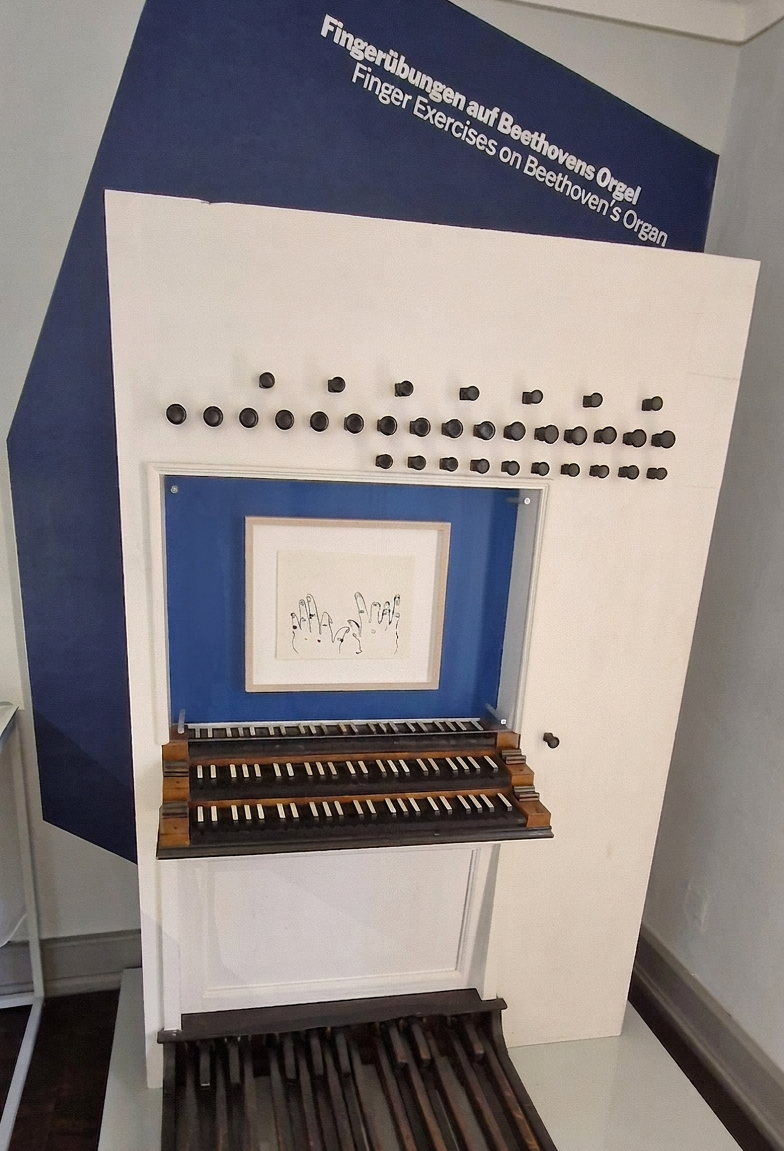
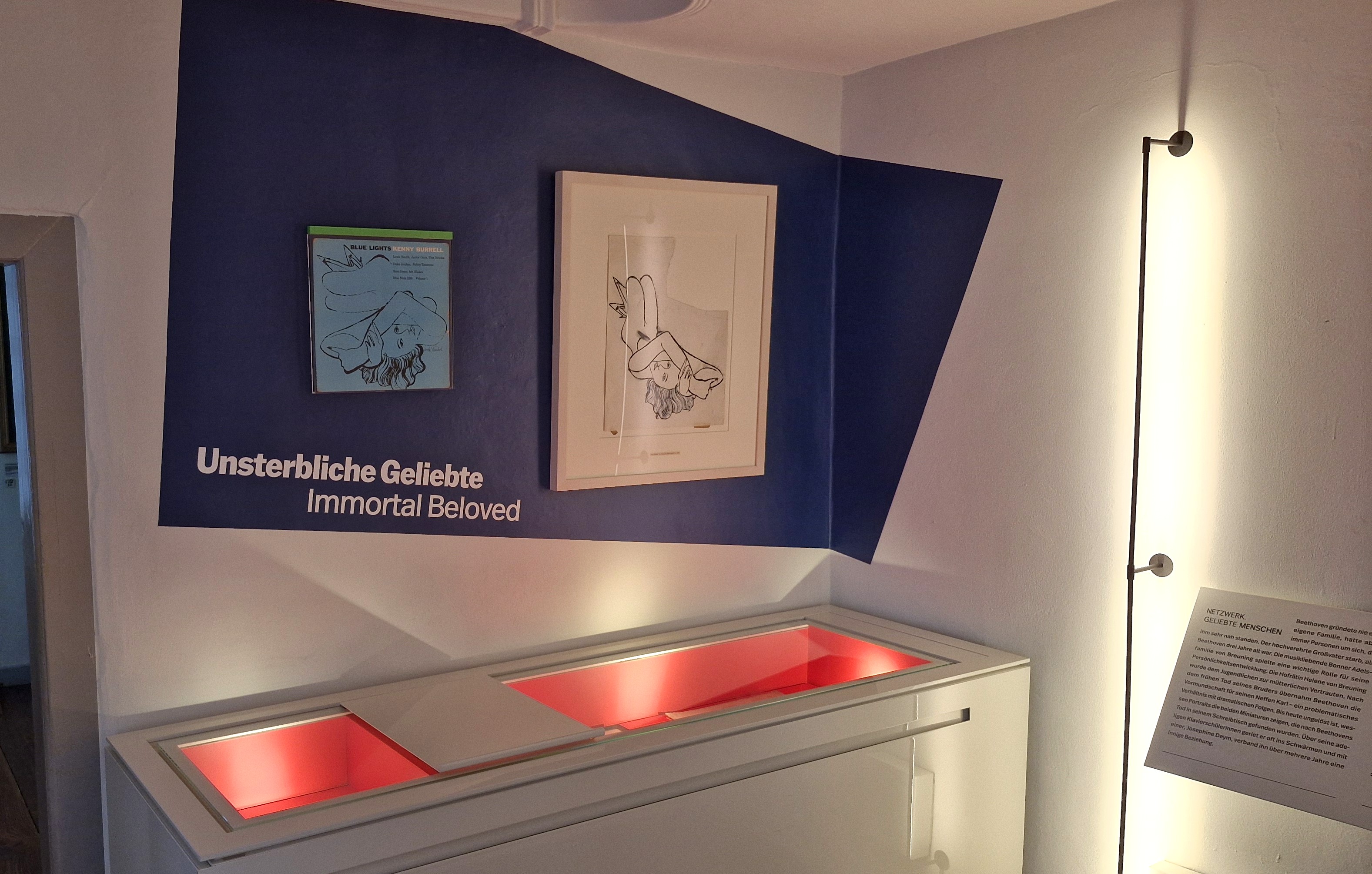
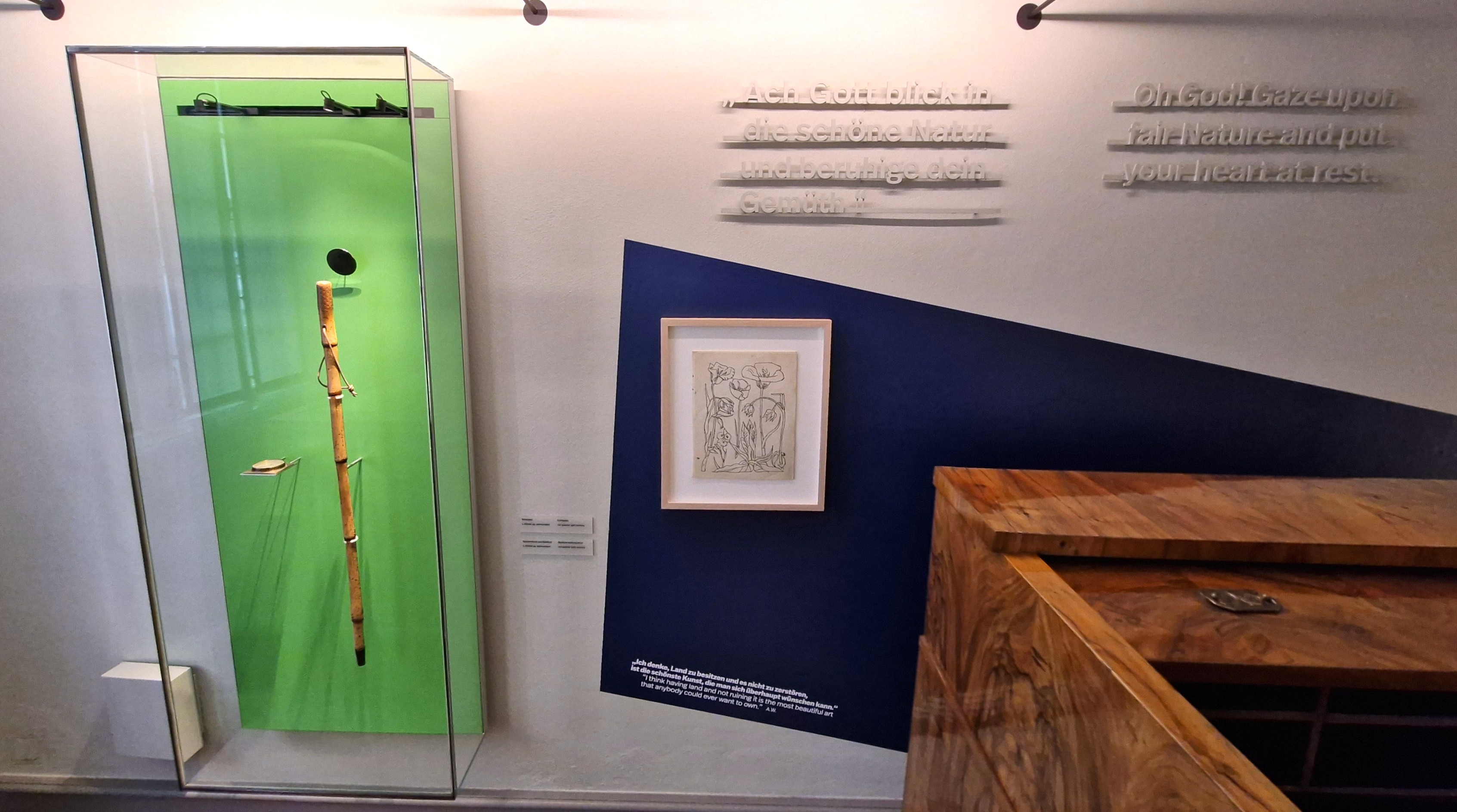
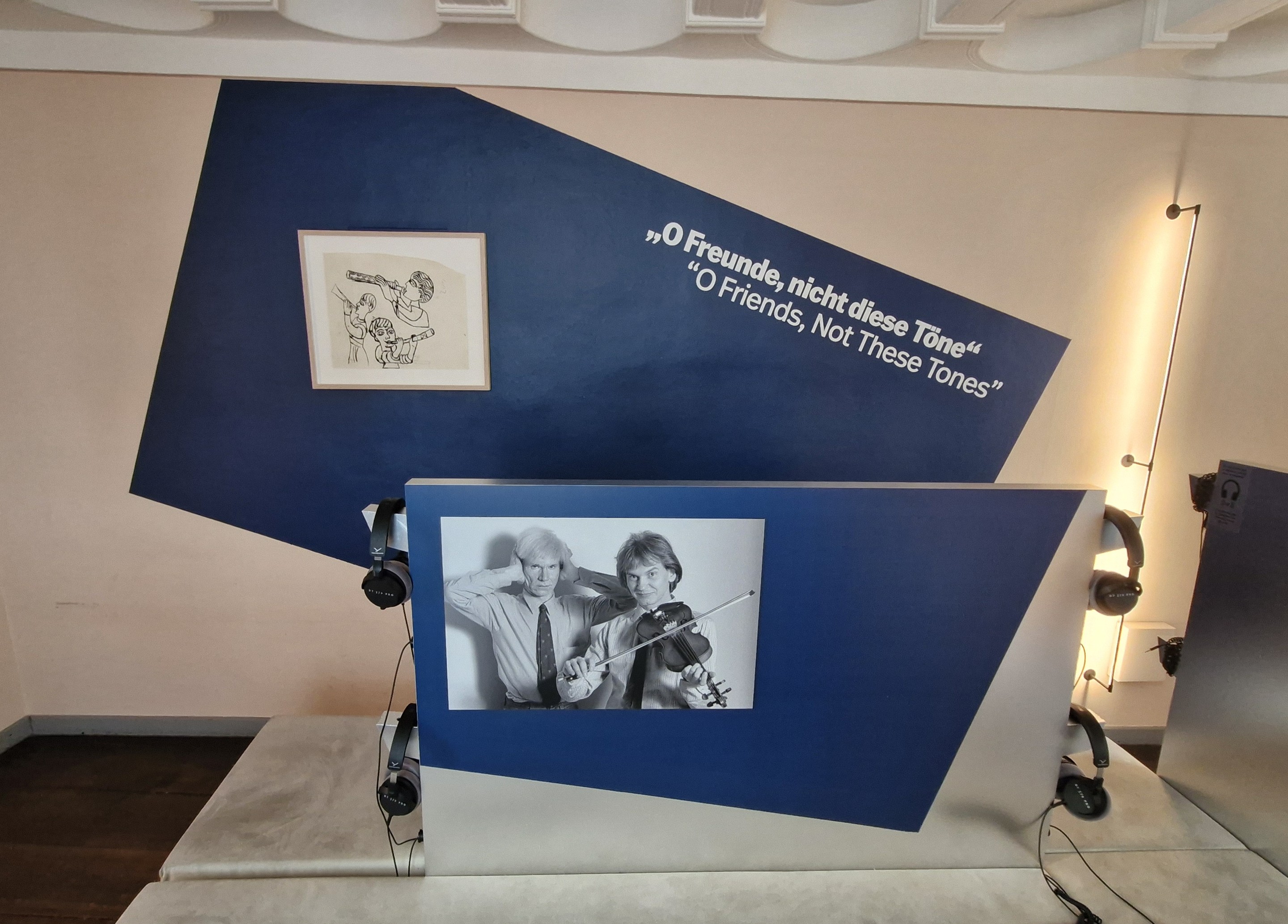
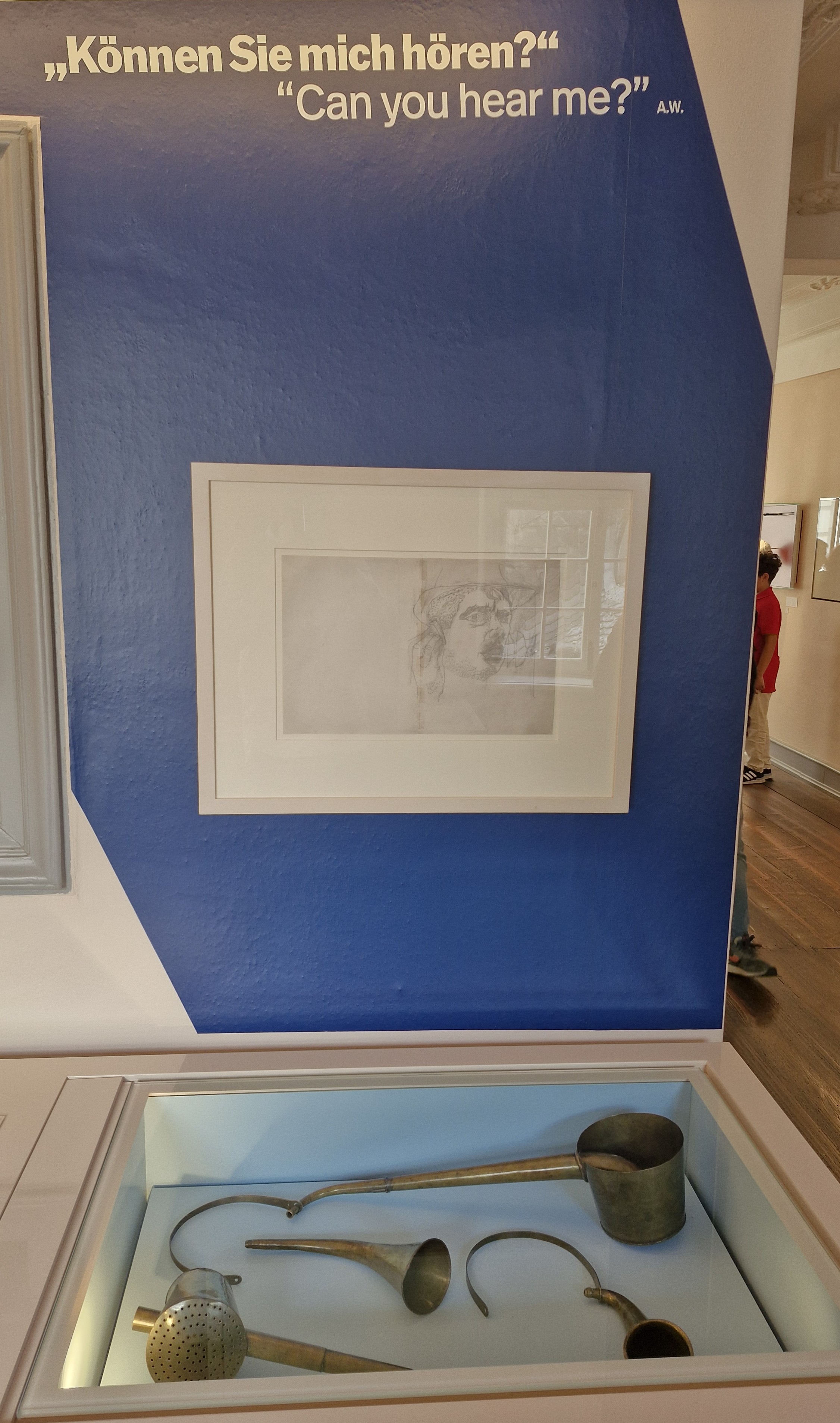
I was heavily involved in two other segments of the exhibition: Warhol “interventions” in the permanent exhibition of the historic museum of the Beethoven-Haus, placing Warhol in dialogue with the work, private life and personal belongings of Ludwig van Beethoven, and a separate exhibition in the music room about Warhol and Music.
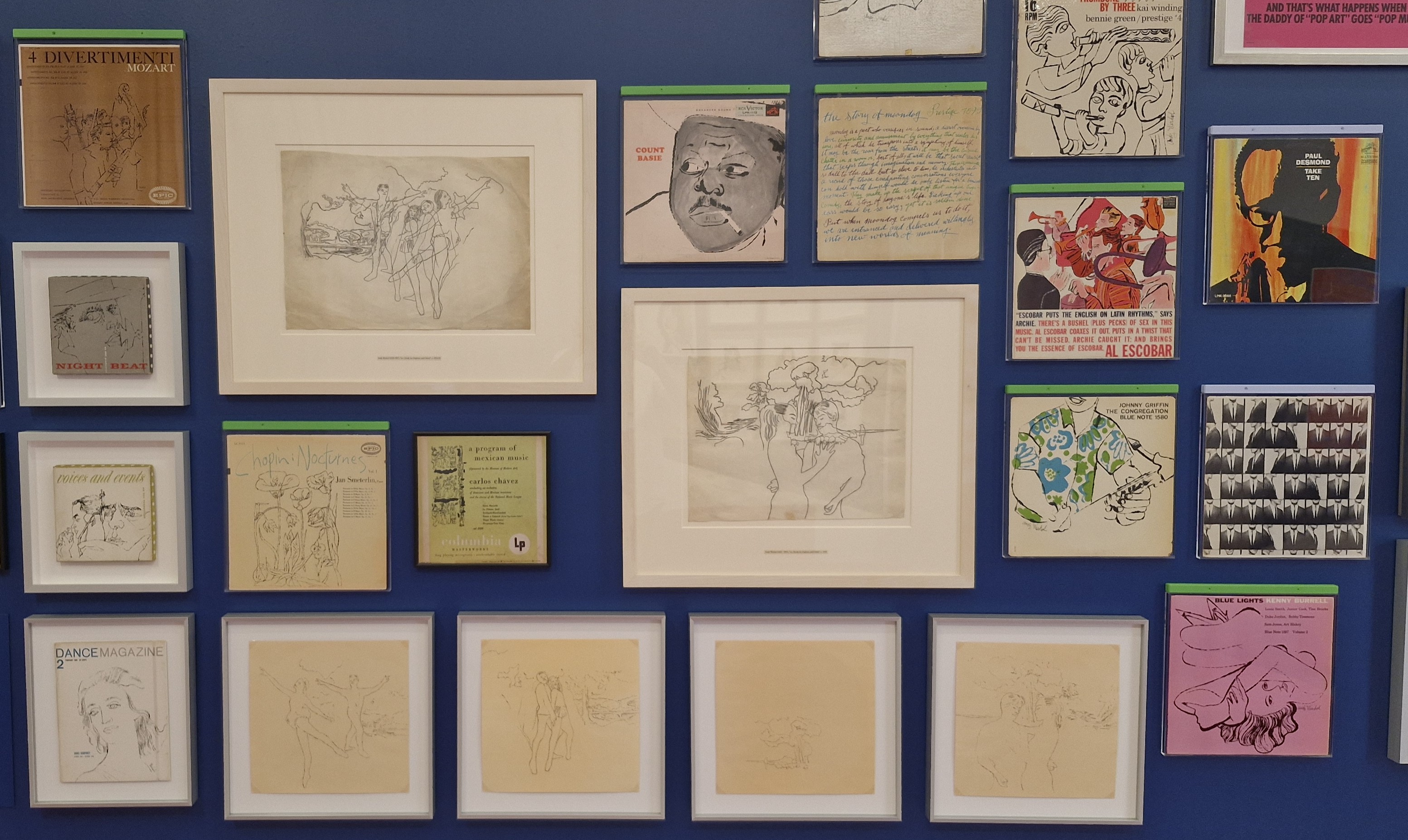
In total Warhol does fourteen “interventions” in the museum, among which five original drawings from my collection (pictured below), that were all commissioned for record cover art.
Warhol and Music
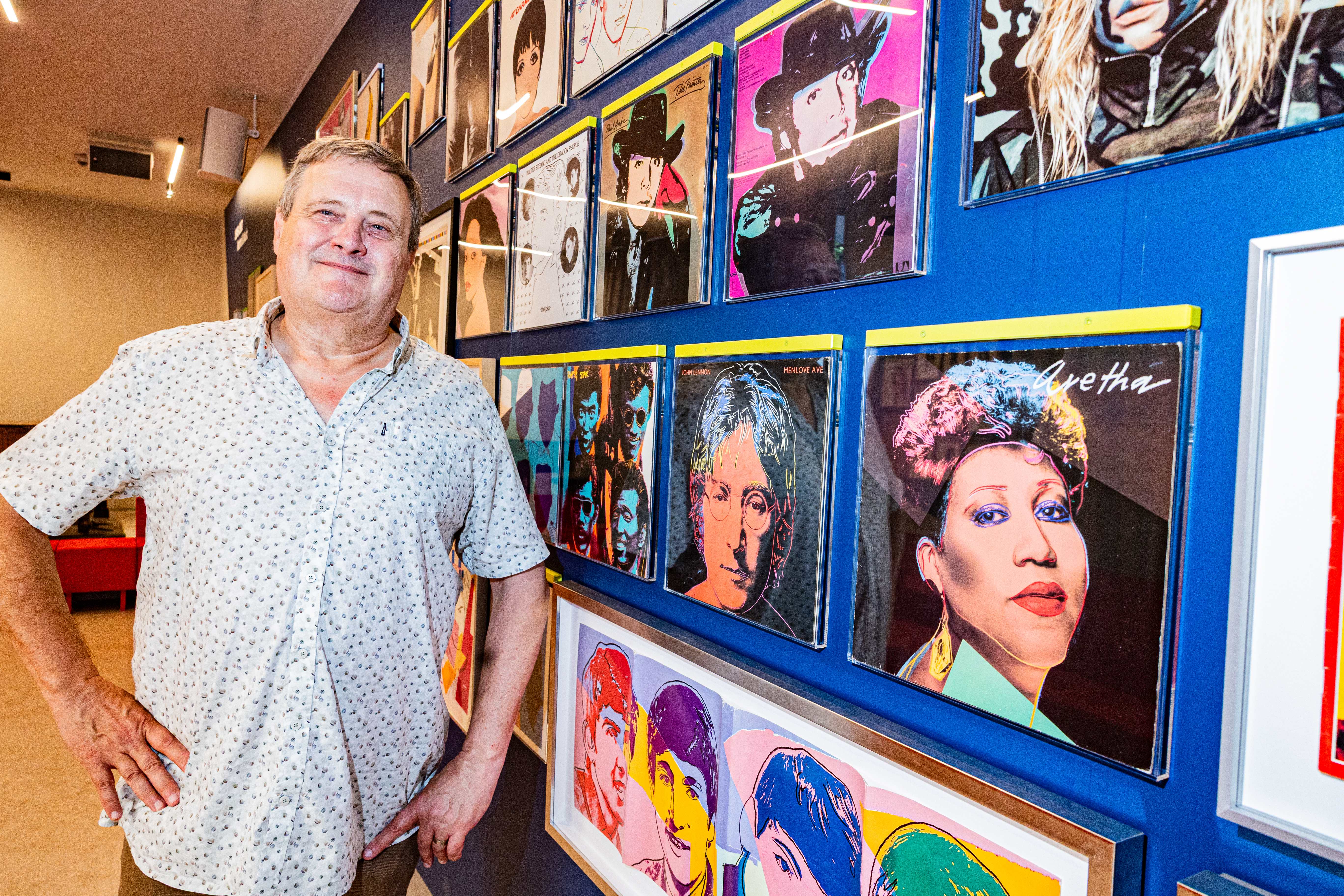
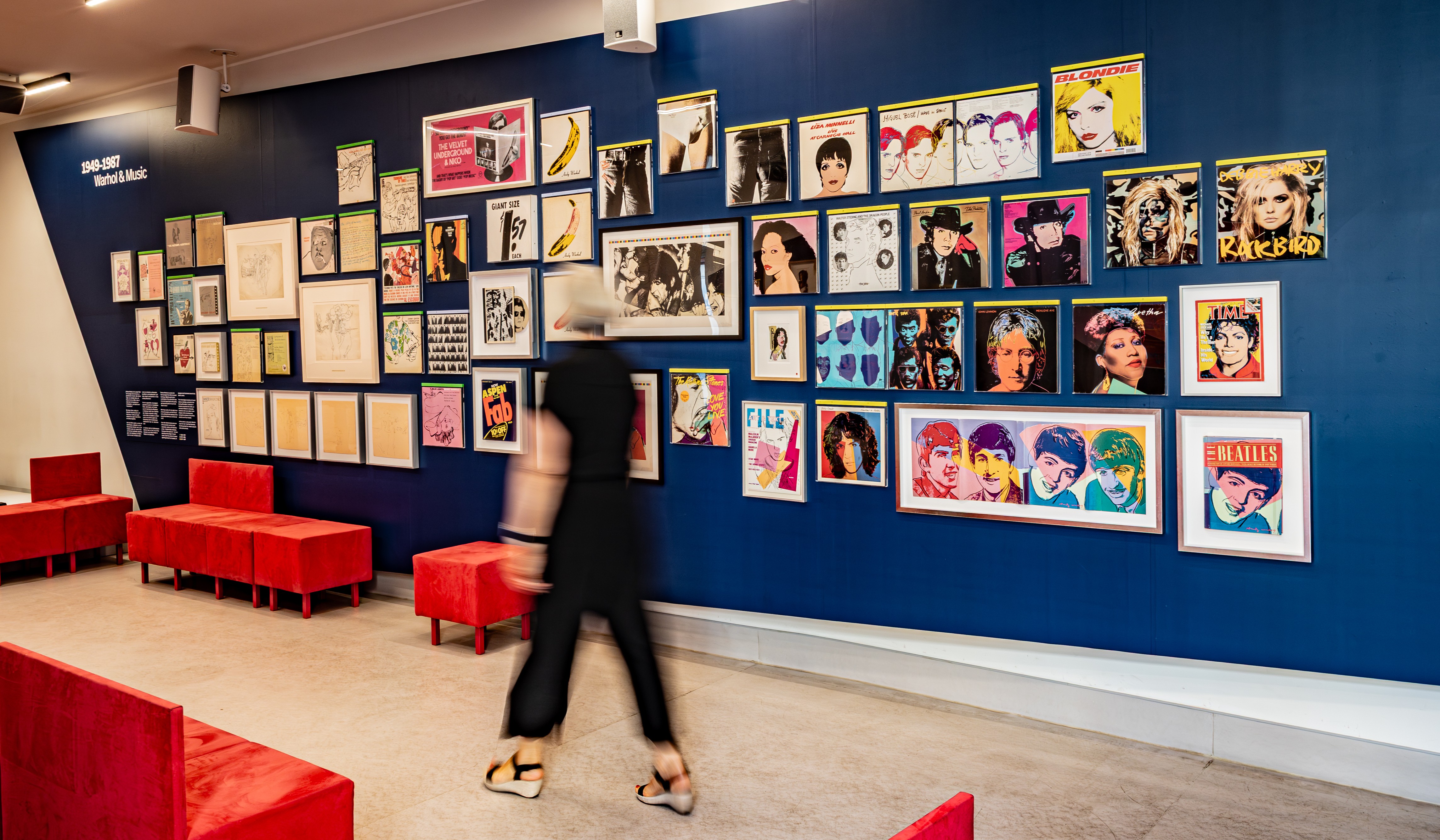
What better place is there than the Beethoven-Haus’s music room, to host the segment Warhol & Music? Highlights from my collection of record covers and other Warholiana form the largest part (about 95%) of this set up. Main goal was to show Warhol’s works in music from the early years until his death, showing all artistic processes that lead to the creation of the Beethoven portraits.
Some of the rarities on view on this wall:
-The original NBC boxes Nightbeat and Voices and Events
-Two original ink drawings for the Daphnis & Chloe album booklet reunited (one from my collection, one from another private collection)
-The Al Escobar cover I have recently discovered
–Giant Size $1.57 Each cover, handscreened by Andy Warhol
-Color proofs of the Rolling Stones album Love You Live (inner and outer)
-Rolling Stones Love You Live, cover signed by Warhol and Mick Jagger at the album Launch at Trax club, New York
-A stunning outtake of the photo shoot for the Debbie Harry album Rockbird, with her face fully painted in camouflage colours. Photo was generously provided by the photographers of the shoot, Guzman in New York.
Hermann the German
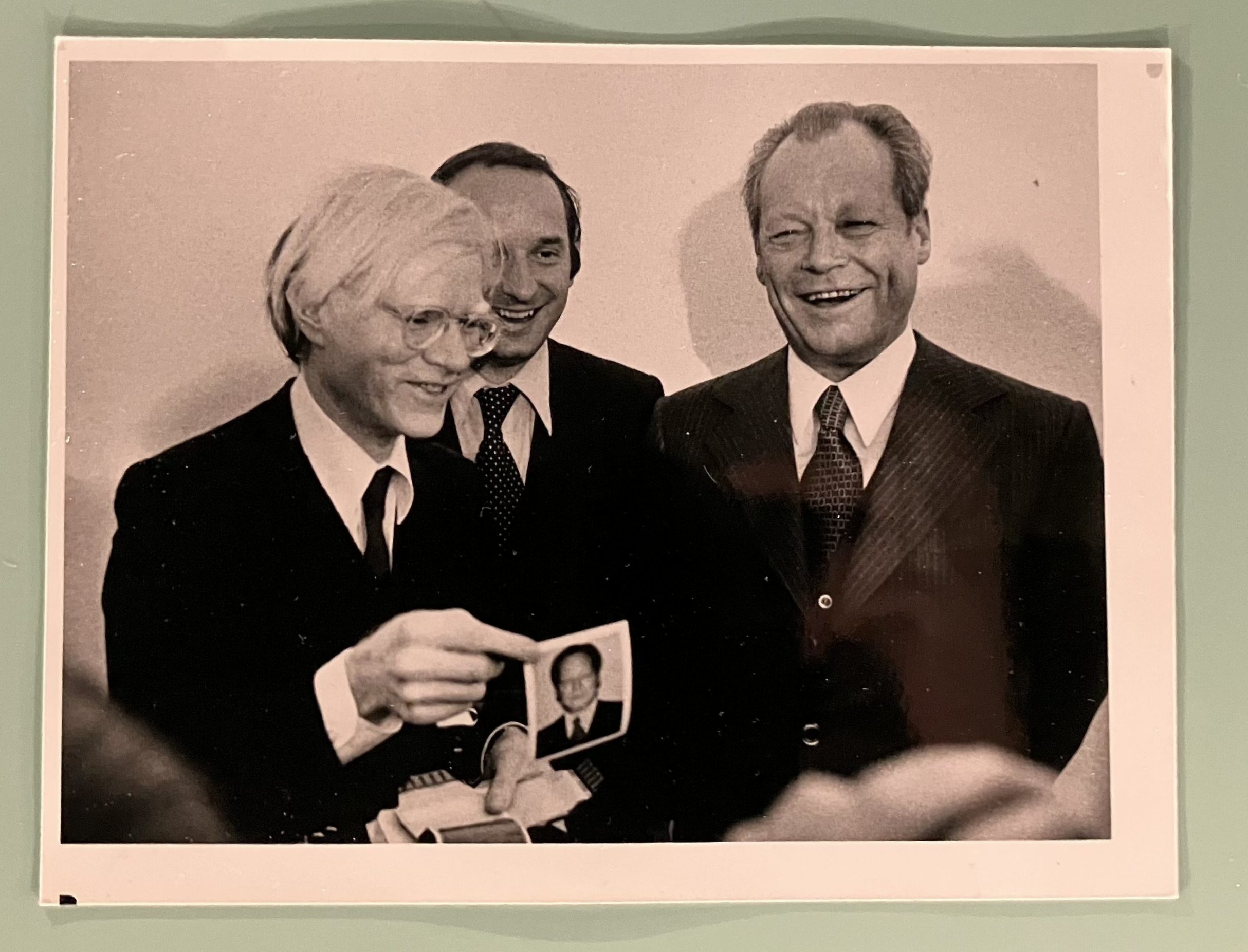
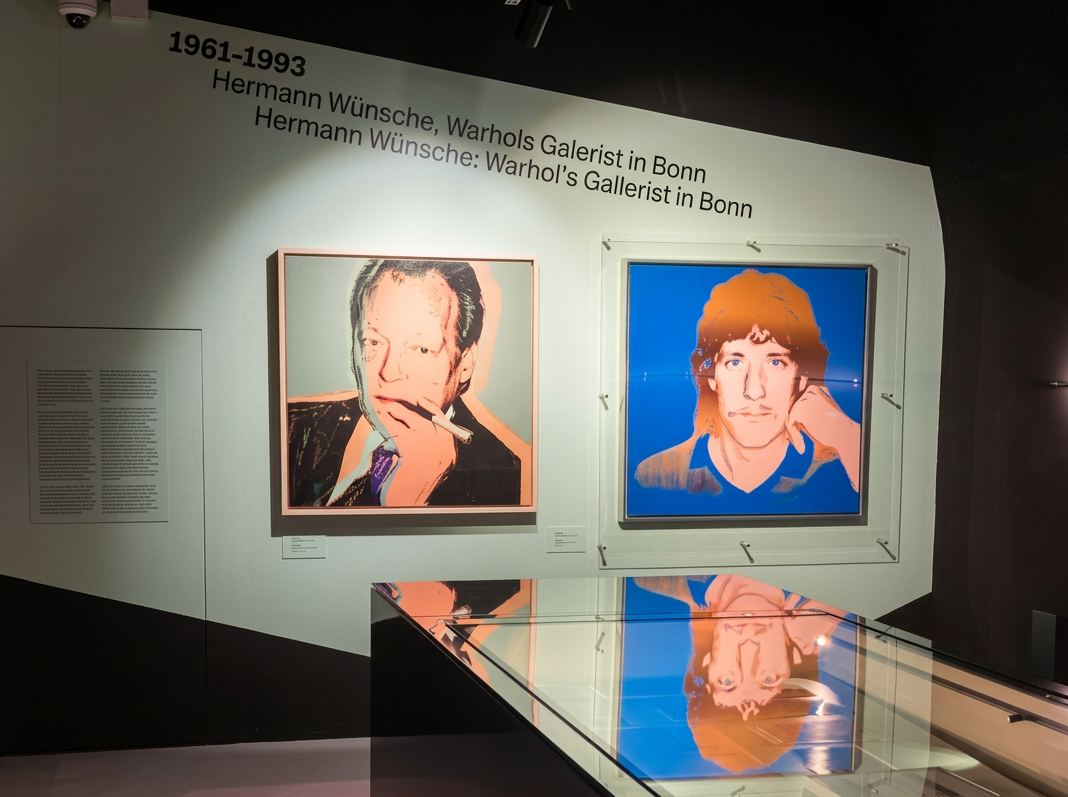
A fourth segment of the exhibition is devoted to the life and work of the Bonn gallerist Hermann Wünsche, who commissioned Warhol to create the portrait of Beethoven for the celebrations marking Bonn’s 2000th anniversary in 1989. In fact Warhol and Wünsche – nicknamed Hermann the German by Warhol in his Diaries – became close friends, and Wünsche frequently brought Warhol to Germany. Apart from the Beethovens, Wünsche also published Warhol’s Trucks and Köln Cathedral portfolios. And through Wünsche Warhol received important portrait commissions, for instance politician Willy Brandt and football legend Toni Schumacher.
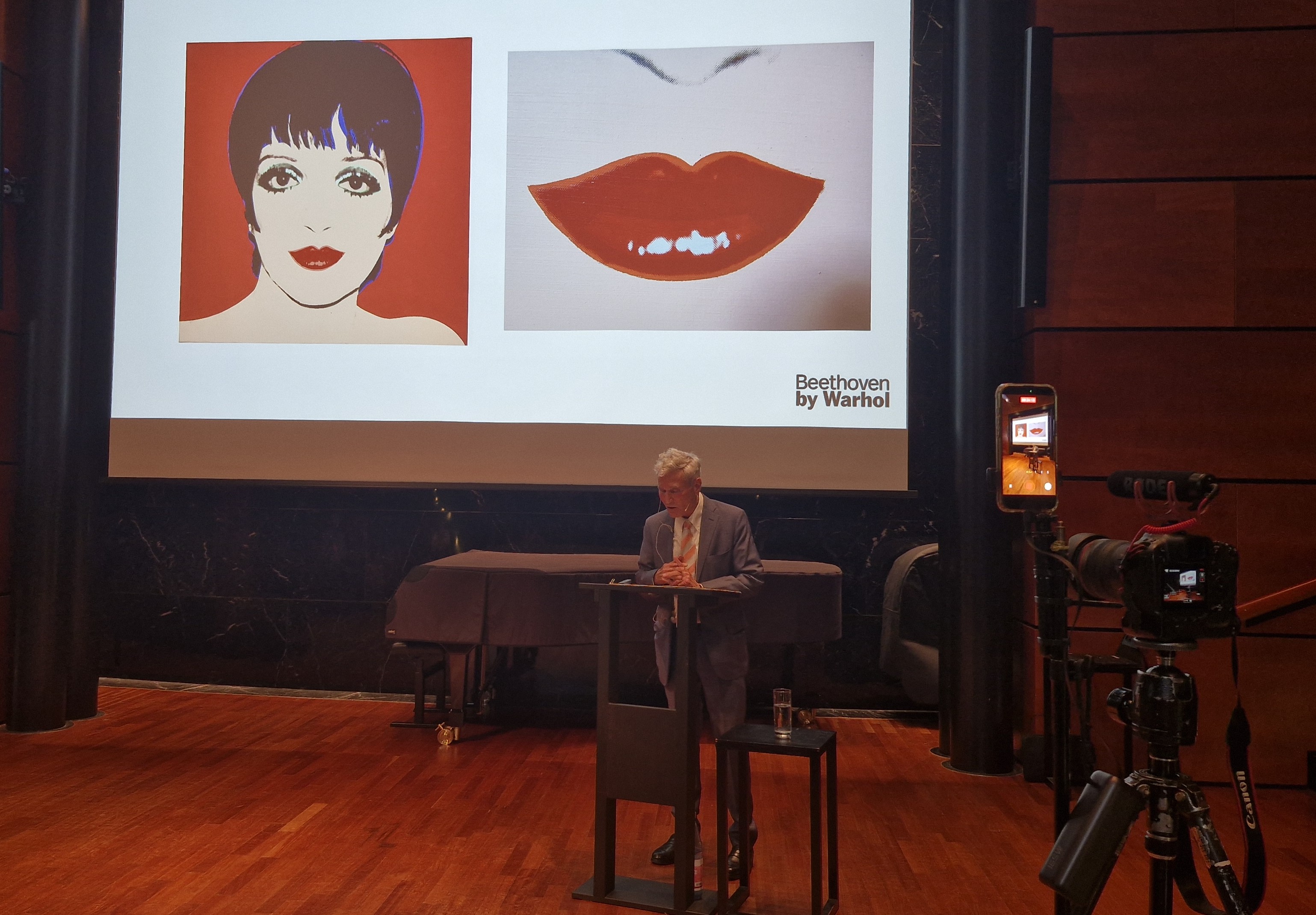
The special exhibition Beethoven By Warhol runs until April 5, 2027. The year 2027 marks the 40th anniversary of Andy Warhol’s death and the 200th anniversary of Beethoven’s.
In the accompanying brochure to the exhibition you will find essays by Beethoven-Haus curator Silke Bettermann on the genesis of Warhol’s Beethoven portfolio; by journalist Thomas Kliemann on Hermann Wünsche, Warhol’s Bonn connection; and by myself on the artistic developent in Warhol’s (record cover) art.


Fantastic
Sent from my iPad
LikeLike